Breathe Easy Again: A Comprehensive Guide On Mold Remediation
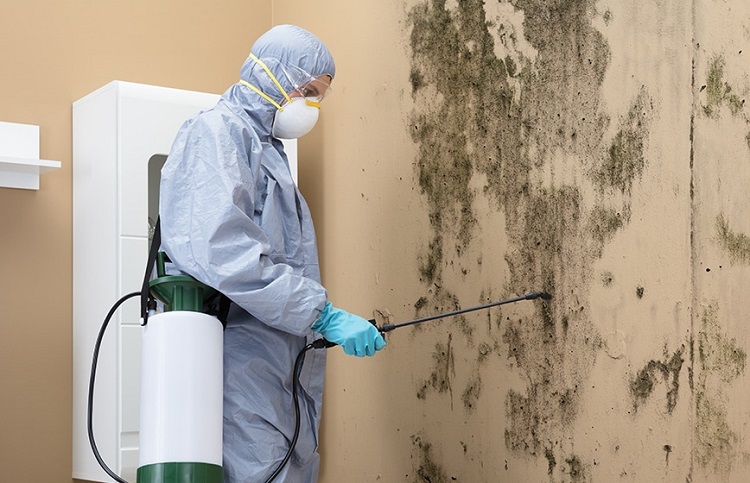
Mold may seriously jeopardize the health and safety of your house. Whether caused by a leaking pipe, poor air ventilation, or flooding, mold can spread quickly, releasing spores that compromise the air quality and trigger allergies or respiratory issues. Mold remediation in Durham refers to the removal, cleaning, and prevention of mold growth. It involves more than simply wiping down the affected areas.
This article explores what mold removal is, the signs to look out for, and how professional help can often produce the best results.
Table of Contents
What Is Mold, And Why Does It Pose A Danger?
Mold is one type of fungus. Cladosporium, Penicillium, and Stachybotrys chartarum are the most prevalent molds found inside. These fungi multiply by releasing microscopic, airborne spores. These spores, when inhaled, may cause health problems, including:
- Allergic reactions include sneezing or a runny/red nose and red eyes.
- Asthma attacks
- Skin irritation
- Fatigue and headaches
People with respiratory diseases and young children are most vulnerable.
Signs You May Need Mold Remediation
Some mold growths are visible, but others can be hidden behind walls, floors, or HVAC systems. Here are some signs of mold infestation to be aware of:
- Visible growth of mold: Discoloration or discoloration of the walls, ceilings, furniture
- Musty odors: A damp, earthy scent is often a warning sign.
- Water Damage: Past flooding and leaky roofs create ideal conditions
- Health and Symptoms: Symptoms of allergy at home that persist may be due to mold exposure
- Condensation Issues: Excessive condensation on windows or walls often leads to mold
If you notice any of the signs, act fast. Mold is a very contagious disease, especially during humid and warm weather.
Mold Remediation Process: Step-By-Step
1. Inspection and Assessment
The first step is to perform a thorough assessment. Professionals will use tools such as moisture meters, thermal imaging, and air quality tests to determine the type and scope of the problem.
2. Containment
Negative air pressure is used to block the spread of mold during the cleanup. Sealing off affected areas is crucial to keeping other parts of your home uncontaminated.
3. Air Filtration
High-efficiency particulate Air (HEPA) filters capture mold spores, cleaning the air and making the area ready for safe removal.
4. Mold Removal Cleaning
If you can’t clean them thoroughly, remove all moldy materials, including drywall, carpeting, and insulation. Non-porous surfaces should be treated with mold-inhibiting solutions or antimicrobial agents.
5. Drying and dehumidification
Mold cannot live without moisture. Dehumidifiers or industrial fans are used to dry out the area completely.
6. Restoration
This last step may include rebuilding walls, repainting floors, or replacing flooring. A good remediation firm will ensure your home’s pre-mold condition.
Mold Remediation – DIY vs. Professional
Minor mold infestations, such as those in bathrooms or kitchens, can be cleaned with household products. However, larger infestations—especially those involving HVAC systems, structural materials, or hidden growth—are best left to professionals.
Why Hire Experts?
- Safe containment gear and the proper containment of chemicals
- Achieve an accurate assessment of hidden mold
- Specialized equipment for drying and air purification
- Safe Disposal Of Contaminated Materials
- Compliance with Health and Safety regulations
The choice of a certified remediation company is not only for a thorough cleanup but also to prevent future mold growth.
Preventing Future Mold Growth
After remediation, prevention is essential. Here are some tips to help you keep your home mold-free:
- Act Quickly to Fix Leaks: Address roof leaks, pipes, or appliance leaks as soon as they occur.
- Use a dehumidifier: Lower indoor humidity to 50% or less, especially in bathrooms and basements.
- Provide Proper Ventilation: Install exhaust fans in the bathroom, kitchen, and laundry areas.
- Clean up and maintain HVAC systems: Regular inspections reduce the mold risk.
Conclusion
is more than improving your home’s appearance. It’s about protecting your family’s health and preserving the structural integrity of your property. By identifying mold early, choosing the correct professionals, and acting swiftly, you can eliminate it and prevent a recurrence.
With the proper measures, you can enjoy a healthier and cleaner home. Want to learn how to find the best mold remediation services near you?


Leave a reply
You must be logged in to post a comment.